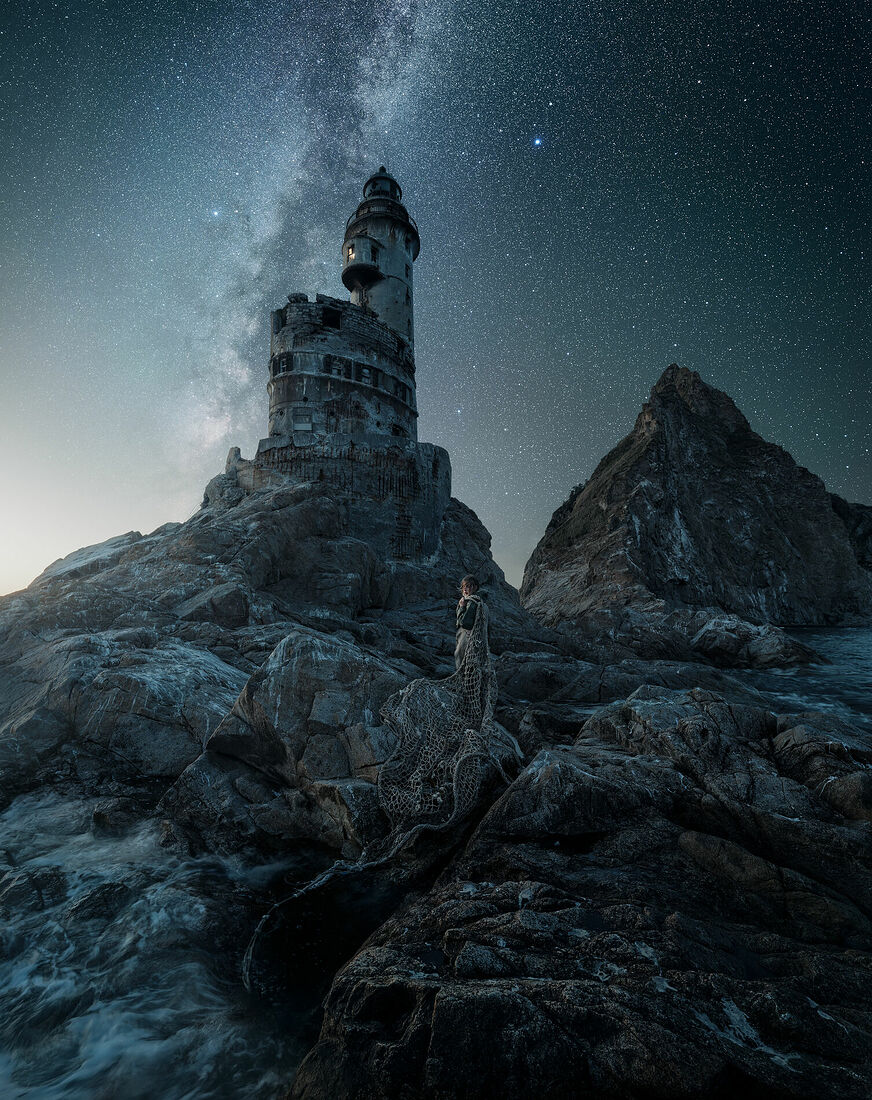
Ivan Turukhano "Somnus Vector"
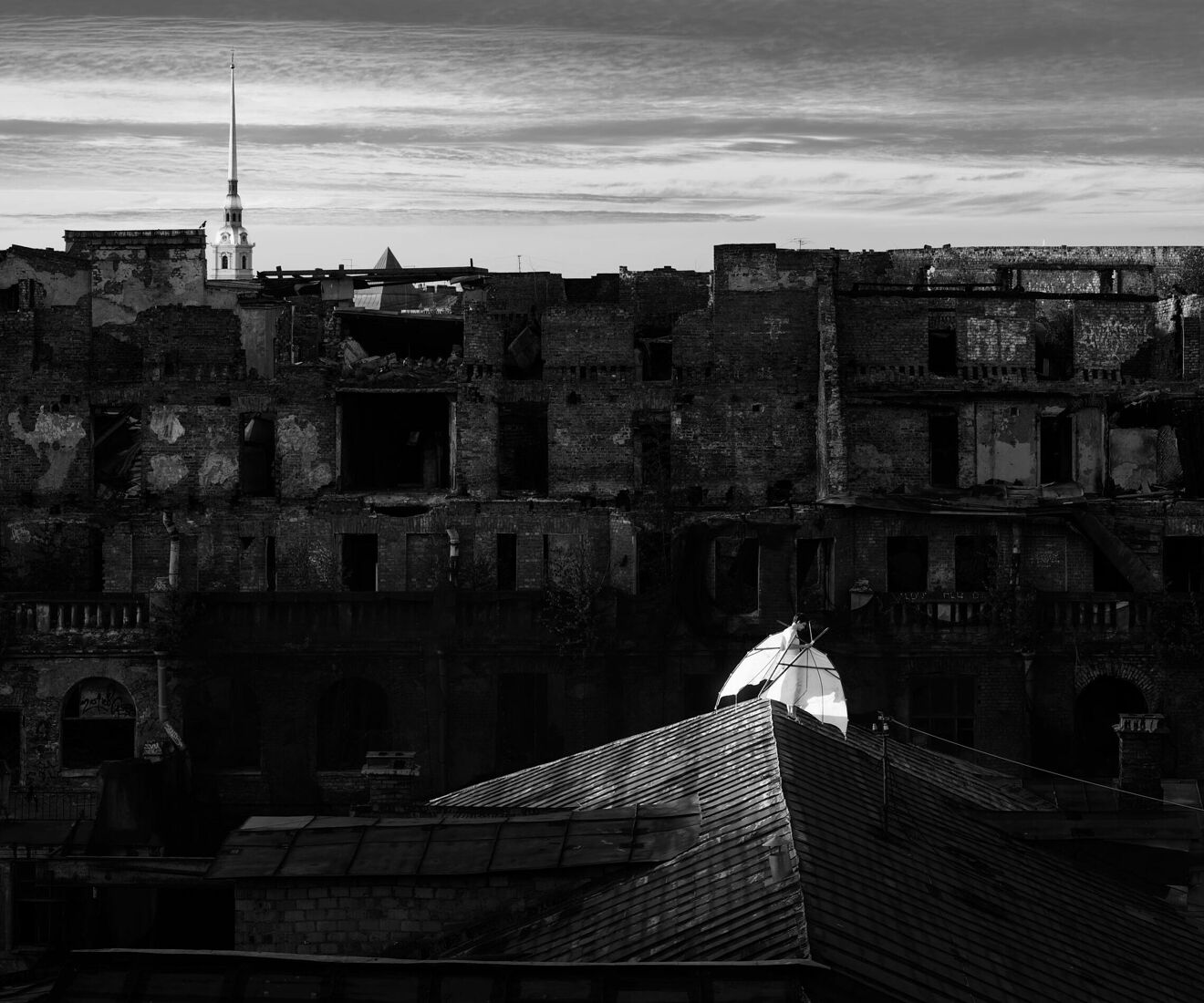
Moscow-based photo laboratory Fotolab has announced the opening of FL Gallery. The inaugural project will be a solo exhibition by St. Petersburg photographer Ivan Turukhano, Somnus Vector—a body of work spanning more than ten years at the intersection of documentary and fine-art photography. The opening takes place on 24 December, and the exhibition will run through 22 February 2026.
Ivan Turukhano (b. 1997) is a graduate of—and currently a lecturer at—the St. Petersburg State Institute of Film and Television (SPbGIKiT), where he trained as a cinematographer. His film background shapes his approach to photography: his images are defined by a carefully constructed architecture of light and a sense of duration unusual for a static medium.
Particular attention should be given to his command of composite panoramic technique—a method that achieves a level of detail unattainable in a single exposure. His practice reveals the influence of the Düsseldorf School and the Leningrad photographic underground: restraint, methodological precision, and large scale are combined with visual poetry and an attentiveness to vanishing post-Soviet architecture.
The exhibition is curated by Ariadna Krylova.
For Fotolab, launching a gallery is a natural next step: for decades the company has provided the technical production of exhibition projects for Moscow museums and galleries. The space is located in the Neglinnaya shopping center on Trubnaya Square, adjacent to the lab’s production facilities.
Dates: 24 December 2025 – 22 February 2026
Hours: daily, 10:00–22:00
Address: Trubnaya Square 2, Neglinnaya Shopping Center, Level –1, Moscow
Admission: free
Download the exhibition catalog
SOMNUS VECTOR
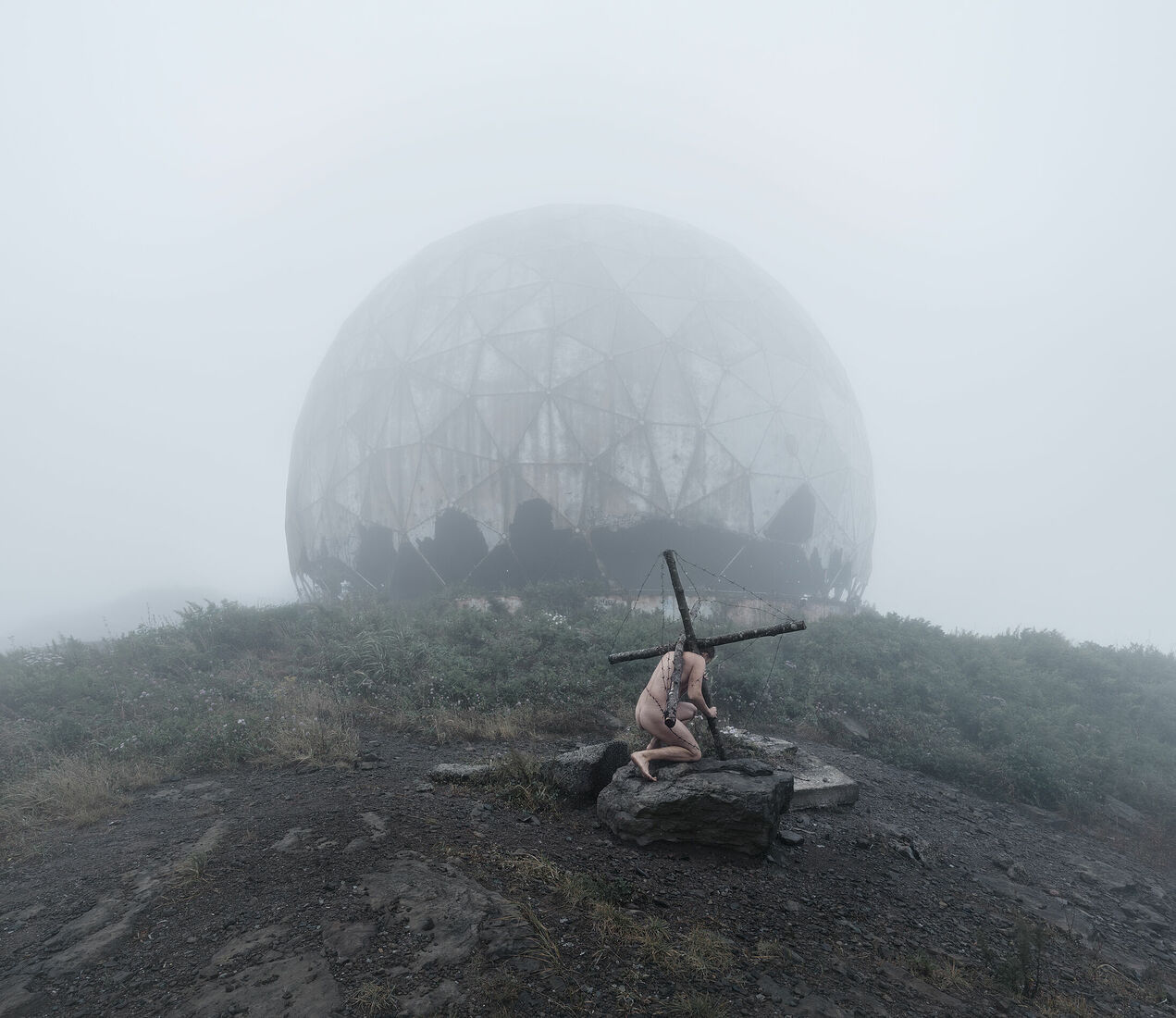
The exhibition by St. Petersburg photographic artist Ivan Turukhano captures a stage in the formation and transformation of a young author’s visual language. For more than a decade, he has explored the environment as a living, wilful, and ever-changing organism. His work shows a genuine fascination with the threshold between observation and imagination, from which he develops his own hybrid approach—at once artistic and documentary. Turukhano possesses a remarkable photographic intuition: many of the places he has recorded have either undergone irreversible change and lost their enchanting presence, or have been demolished and no longer exist in reality.
Turukhano’s cinematographic experience is one of the project’s key coordinates. Trained as a cinematographer at the St. Petersburg State Institute of Film and Television—later returning as a lecturer—he combines work on photographic projects with film shoots. His photographs convey a distinctly cinematic sense of volume, and the light architecture of each frame is built so that every scene seems to unfold in time. Unlike cinema, which structures time, Turukhano structures attention, allowing the viewer to remain inside the gradual revelation of the image. This effect is reinforced by his masterful use of composite panoramas, through which the works achieve an exceptionally high degree of detail.
Another key coordinate is his engagement with the legacy of the Leningrad photographic underground and his attentive assimilation of the Düsseldorf School’s experience. Restraint, methodological precision, and emotional distance—embodied in a large format—enter into dialogue with visual poetry. That poetry reflects nostalgia, melancholy, and empathy toward a collapsing post-imperial environment: a tragic, mute biography illuminated by the rays of morning sun. The artist himself calls his works “a window into a conditional reality.” Architecture here is neither monumental nor stable: it holds traces of the past—cracks, layers, and fragments of lost functions. The figures encountered in these spaces add a sense of the fantastic without undermining the documentary quality; rather, they underscore that the reality around us is shaped not only by material objects but also by layers of human imagination.
The logic of selection and installation proceeds from the need to demonstrate a range of approaches to image-making—from documentary photography to surreal self-portraits. There are no constraints here, just as there are no ready-made answers the artist might offer for decoding his mythology and its characters. To enter the meaning of these works, the viewer must turn to their own Somnus Vector—an inner vector that directs perception through the labyrinths of past and future, the personal and the collective unconscious, dream and reality. It is precisely at this point that the artist’s intention and the viewer’s response meet, generating a third, unpredictable meaning.
Project Curator
Ariadna Krylova